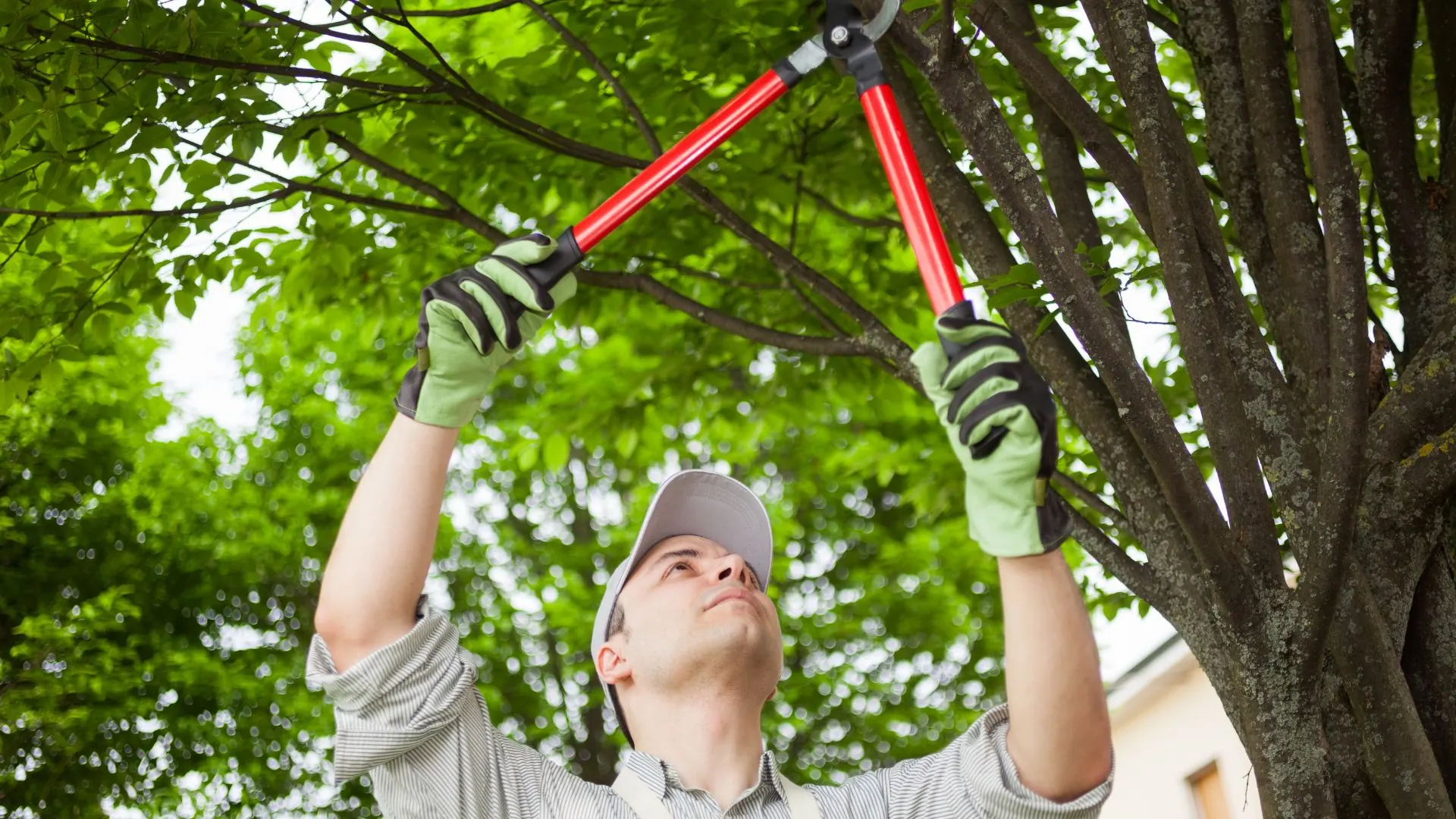
A lot of people think of tree trimming as a way to make the yard look neat. That’s part of it. But the real reasons we trim trees are safety and health. A well-trimmed tree drops fewer branches, stands up better to storms, and lives longer than one that’s left alone.
In this post, we’ll walk through the four main reasons trimming matters, how good pruning differs from bad, and when to trim the trees you have in a Wisconsin yard.
Four Reasons We Trim Trees in Southeast Wisconsin
When we look at a tree, we’re asking four questions:
- Is it healthy? Are there dead, diseased, or damaged limbs?
- Is it safe? Could any branch hit a person, a house, a car, or a wire?
- Is it growing in a good shape? Or is it forming weak forks and crowded branches?
- Can it handle a storm? Will it hold up under wind, ice, and heavy snow?
Good trimming answers all four.
Reason 1: Healthier Trees
Trimming helps a tree put its energy into good growth instead of feeding broken and dying parts.
Cutting Out Dead, Diseased, and Rubbing Limbs
- Dead limbs are an open door for rot and insects. Removing them lets the tree seal off the wound.
- Diseased limbs, like a branch on an elm showing early Dutch elm disease, can sometimes be cut out before the problem spreads.
- Rubbing branches wear through each other’s bark, leaving wounds that never heal well.
- Crowded interiors stay damp after rain. Thinning lets in air and light, which helps cut down on leaf diseases like apple scab on crabapples.
What Makes a Good Pruning Cut
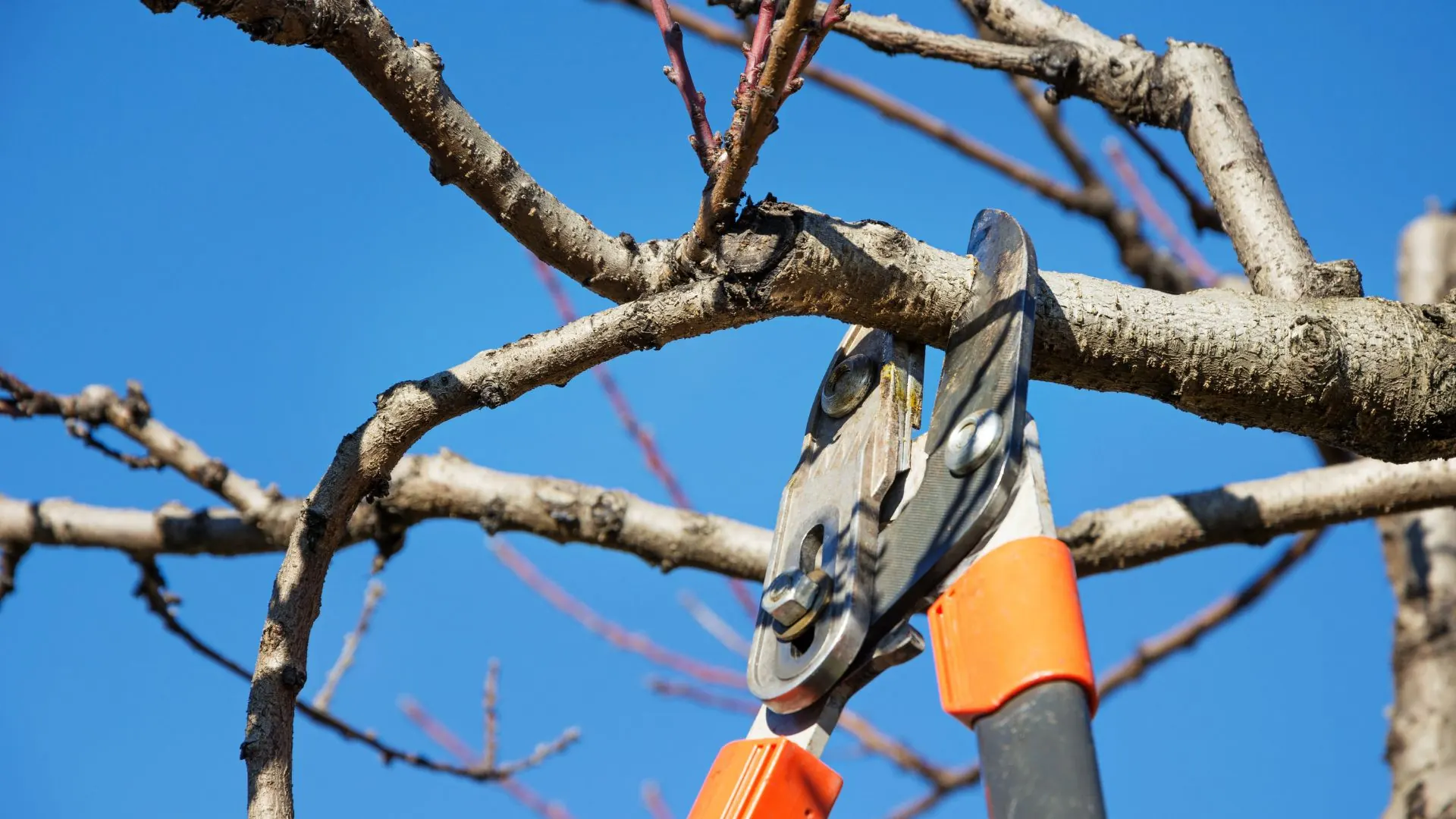
Where a cut is made matters more than most people think. Every branch has a slightly swollen ring where it meets the trunk, called the branch collar. That collar is what grows over and seals the wound.
- A good cut is made just outside the collar. It leaves no stub and doesn’t cut into the trunk.
- A flush cut slices off the collar and leaves a big wound the tree struggles to close.
- A long stub dies back and rots, often into the trunk.
- A torn cut happens when a heavy limb is cut in one pass and rips bark down the trunk. Pros use three cuts on big limbs to prevent this.
Reason 2: A Safer Yard and Home
This is the reason most people call us. Branches don’t have to be dead to cause problems.
Trimming keeps limbs:
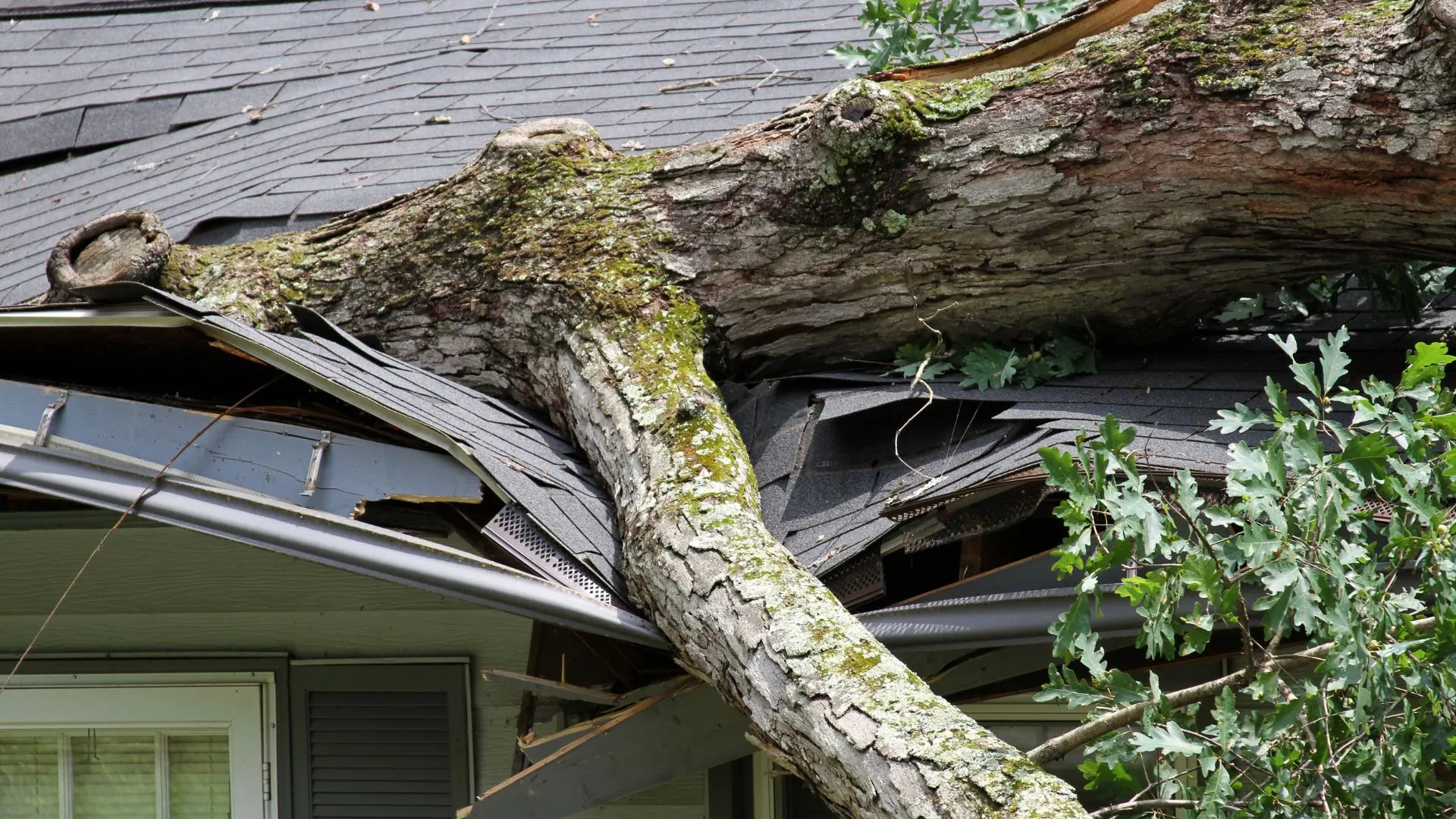
- Off the roof, where they scrape shingles, clog gutters, and give squirrels a path to the attic
- Out of the driveway, so a heavy snow doesn’t drop a limb on your car
- Above sidewalks and the street, so walkers, school buses, plows, and garbage trucks can get by
- Out of sight lines, so you can see traffic when backing out of the driveway
- Away from lights, security cameras, and chimneys
Tip: If a branch is touching the power line that runs to your house, don’t trim it yourself. Call We Energies. Lines can carry power even when they look harmless.
Reason 3: Stronger Shape and Longer Life
A tree’s shape decides how it handles stress for the rest of its life. Most weak spots that break in storms at age 40 started as small problems at age 5.
Why Young Trees Need Trimming the Most
Young trees are where trimming pays off the most. A few small cuts now can:
- Pick one main leader so the tree doesn’t grow two competing tops
- Remove tight “V” forks that trap bark and split later
- Space out main branches around and up the trunk
- Raise low branches a little at a time as the tree grows
These cuts are small and heal fast. Waiting ten years means the same fixes take big cuts, or can’t be made at all.
Why Topping Is Never the Answer
“Topping” means cutting the whole top of a tree back to stubs. People do it to make a tree smaller or “safer.” It does the opposite.
- The stubs rot.
- The tree pushes out dozens of fast, weakly attached sprouts.
- Those sprouts grow back quickly and break off easily in storms.
- The tree loses much of the leaf area it needs to make food, and it often declines.
If a tree is too big for its space, careful crown reduction can lower it without the damage. And if it’s truly too big, removal may be the better choice.
Reason 4: Fewer Branches Down After Storms
Southeast Wisconsin gets summer thunderstorms, winter ice, heavy spring snow, and strong northeast winds off Lake Michigan. Trimming can’t make a tree storm-proof, but it helps.
Thinning a dense crown lets wind pass through instead of pushing on a solid wall of leaves. Removing long, heavy limbs means less weight for snow and ice to pile onto. And getting rid of dead wood takes out the pieces most likely to fall. For trees with a weak fork that are worth saving, cabling and bracing can add support. Our post are your trees storm-ready? has a full storm checklist.
When to Trim Common Wisconsin Trees
Most trimming is best done in late winter, while trees are dormant. But some trees have special timing.
| Tree Type | Best Time to Trim | Avoid |
|---|---|---|
| Oaks | November through March | April through July, because of oak wilt |
| Elms | Late fall and winter | Spring and summer, when elm bark beetles are active |
| Maples and birches | Late winter, or summer after leaves are full | Heavy cuts in spring if sap bleeding bothers you |
| Crabapples and fruit trees | Late winter | Summer, except to remove water sprouts |
| Spruce and pine | Late winter, or lightly after new growth | Cutting back into bare, needle-less wood |
| Dead or broken limbs | Any time | Waiting until the next storm |
For month-by-month details, see our guide on when to prune trees in Wisconsin.
How Often Your Trees Should Be Trimmed
There’s no single answer, but here’s a good rule of thumb:
- Young trees: every 2 to 3 years, to build good structure
- Mature shade trees: every 3 to 5 years, to remove dead wood and keep clearance
- Trees over the house or driveway: check yearly, trim as needed
- After any big storm: look for hangers and broken limbs right away
What’s Safe to DIY and What to Leave to Our Crew
Homeowners can handle a lot of small trimming. Here’s where we’d draw the line:
- Go ahead: small branches you can reach from the ground with hand pruners or a pole saw.
- Go ahead: shaping shrubs and hedges.
- Call a pro: anything that needs a ladder in a tree or a chainsaw above your shoulders.
- Call a pro: limbs over the house, garage, or a neighbor’s roof.
- Call a pro: any branch near a power line.
- Call a pro: big trees where you can’t see the top from the ground.
What a Trimming Visit From Our Crew Looks Like
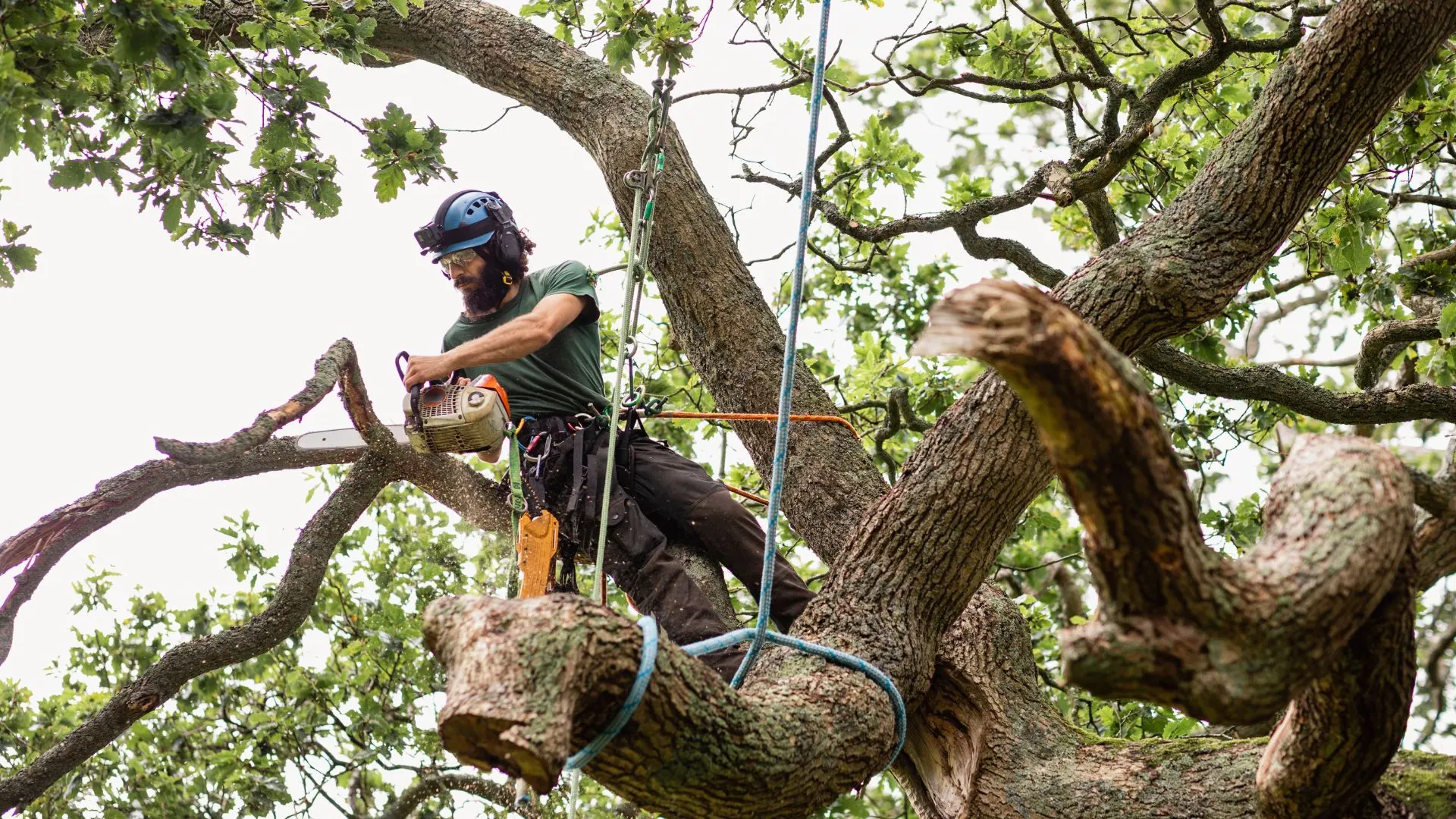
When we trim, our crew climbs with ropes or uses an aerial lift for tall trees. Limbs over roofs are lowered with ropes instead of dropped. Brush goes straight into the chipper, and we rake and blow the yard before we leave.
We’ve trimmed tall basswoods and three massive oaks on a single property. Another customer told us there wasn’t any sawdust or a single branch left on the lawn or roof when we were done. We also use the chips. We give away free wood chips through ChipDrop, so nothing goes to waste. Learn more about our tree trimming service or get advice on a struggling tree through our tree health care visits.
Keep Your Trees Safe and Healthy for Years
Good trimming is one of the best investments you can make in your yard. It protects your home, keeps your trees strong, and saves money on storm cleanup down the road.
If you have a tree that’s getting too close to the house, dropping limbs, or just hasn’t been looked at in a while, give us a call. We’ll come out, walk the yard with you, and give you a free quote.