Nobody enjoys taking down a tree. Maybe your kids climbed it. Maybe it shaded the porch for thirty years. And a big tree adds real value to a home. So it makes sense to want to be sure before it comes down.
We want you to be sure, too. We’ve told a customer that a tree they asked us to remove was healthy and didn’t need to go. This guide explains the signs that removal is the right call, the options for trees that can be saved, and what the work looks like when it’s time.
Clear Signs a Tree Has Become Unsafe
The most important question is simple: could this tree fall, or drop a big part of itself, onto something that matters? A house, a car, a play set, a road, or a person?
Structural Damage You Can See From the Ground
- A new or worsening lean, especially toward the house
- Cracked or heaving soil around the base
- A split trunk, often where two main stems meet in a tight “V”
- Large cracks running up and down the trunk
- Major limbs that are broken, hanging, or cracked at the base
- Roots cut by a driveway, foundation, or trench on one side
Rot and Hollow Trunks
Rot is harder to spot, because it happens inside. Clues include shelf fungus or mushrooms on the trunk or root flare, soft or crumbly wood, big open cavities, and carpenter ants coming and going. A tree can stand with some hollowing, but when too little sound wood is left, it’s a matter of time.
Disease and Pest Damage That Can’t Be Reversed
Some problems have no fix.
- Dead ash trees. Emerald ash borer has killed most untreated ash in our area since it was first found in Ozaukee County in 2008. Dead ash dry out and turn brittle fast. The longer they stand, the more dangerous they are to be near and to remove. Our emerald ash borer guide explains more.
- Red oaks with oak wilt. They die quickly, and they can spread the disease through roots to nearby oaks.
- Elms with Dutch elm disease that has spread past one branch.
- Spruce and pines that have lost most of their needles to disease or decline.
- Any tree that’s more than about half dead. At that point, it rarely comes back.
Not sure what’s wrong? Our post on how to spot common tree diseases in Wisconsin covers the main culprits.
When a Healthy Tree Is Just in the Wrong Spot
Sometimes nothing is wrong with the tree. It just doesn’t fit anymore.
- It’s too close to the house, rubbing the roof or siding
- It’s growing into power lines and will need hard trimming every few years
- Roots are lifting sidewalks or getting into old clay sewer pipes
- You’re building a garage, addition, pool, or new driveway
- It shades a garden or solar panels you care about more
- It crowds out better trees nearby
These are fair reasons for removal. Just know it’s a choice, not an emergency, so there’s time to think it over.
Can This Tree Be Saved Instead?
Before anything comes down, it’s worth asking what else could work. Here’s how we often think it through.
| Problem | Try This First | Removal Makes Sense If… |
|---|---|---|
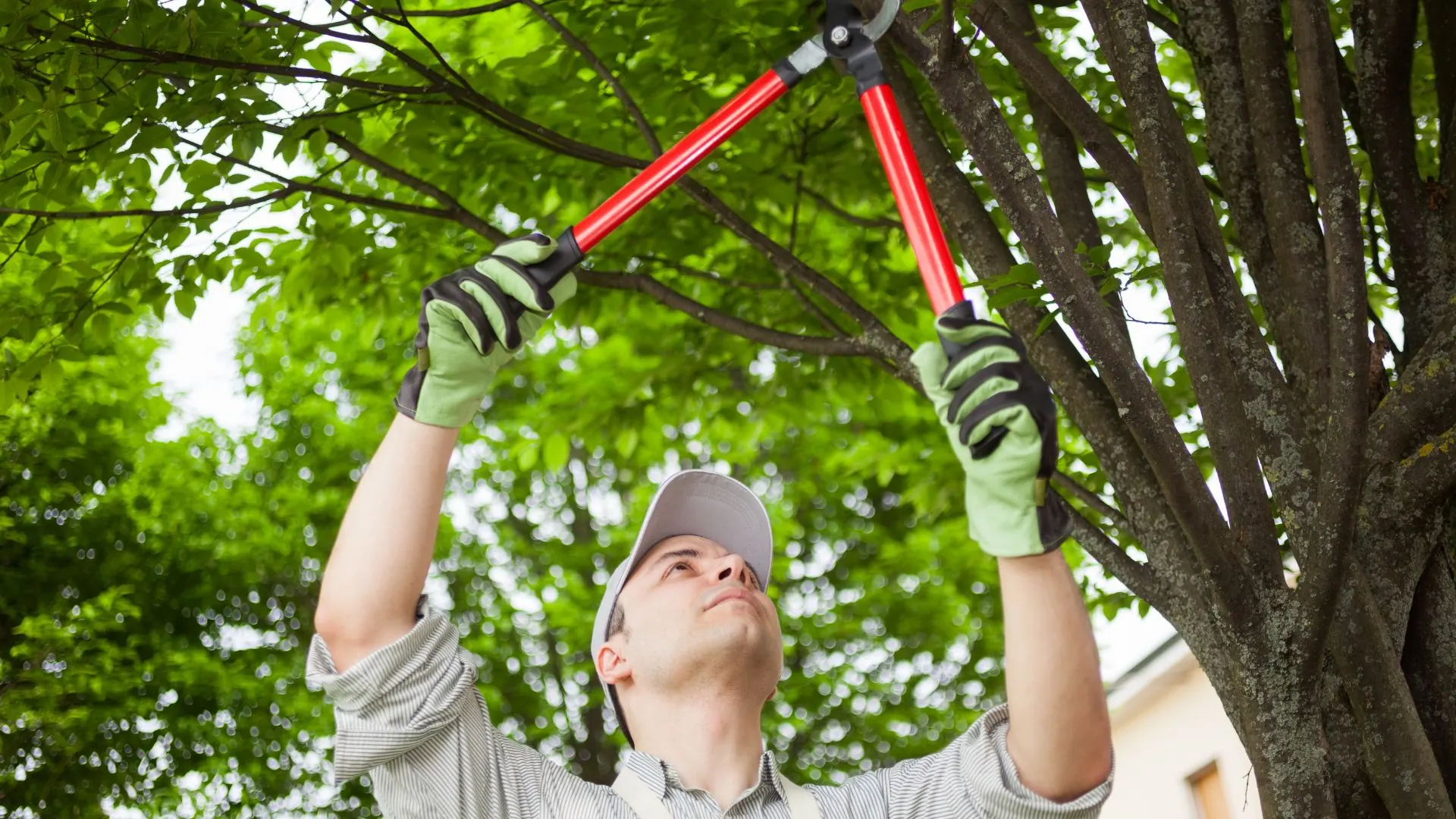
| Dead limbs in a healthy tree | Trimming out the dead wood | Dead wood covers much of the crown |
| Weak “V” fork | Cabling and bracing | The fork is already split or rotten |
| Limbs over the roof | Trimming for clearance | The trunk itself leans onto the house |
| Top-heavy or one-sided crown | Careful crown reduction | The roots are also failing |
| Fungus on the trunk | Having the decay checked | Too little solid wood is left |
| Tree too big for the space | Crown reduction | It will keep outgrowing the spot |
Cabling and bracing uses steel cables and rods to support weak forks. It won’t save a dying tree, but it can keep a healthy tree with one bad joint in your yard for many more years.
How We Take a Tree Down Safely
Every removal starts with a plan. Here’s what that looks like on a typical job:
- Look it over. We check the tree, what’s under it, and how to get equipment in without tearing up the yard.
- Set a drop zone. We decide where every piece will land, or whether it needs to be lowered instead.
- Climb or lift. Our crew climbs with ropes or uses an aerial lift to reach the top.
- Take it down in pieces. Limbs over roofs and fences are cut and lowered with ropes. In an open yard, we may fell the trunk in one piece.
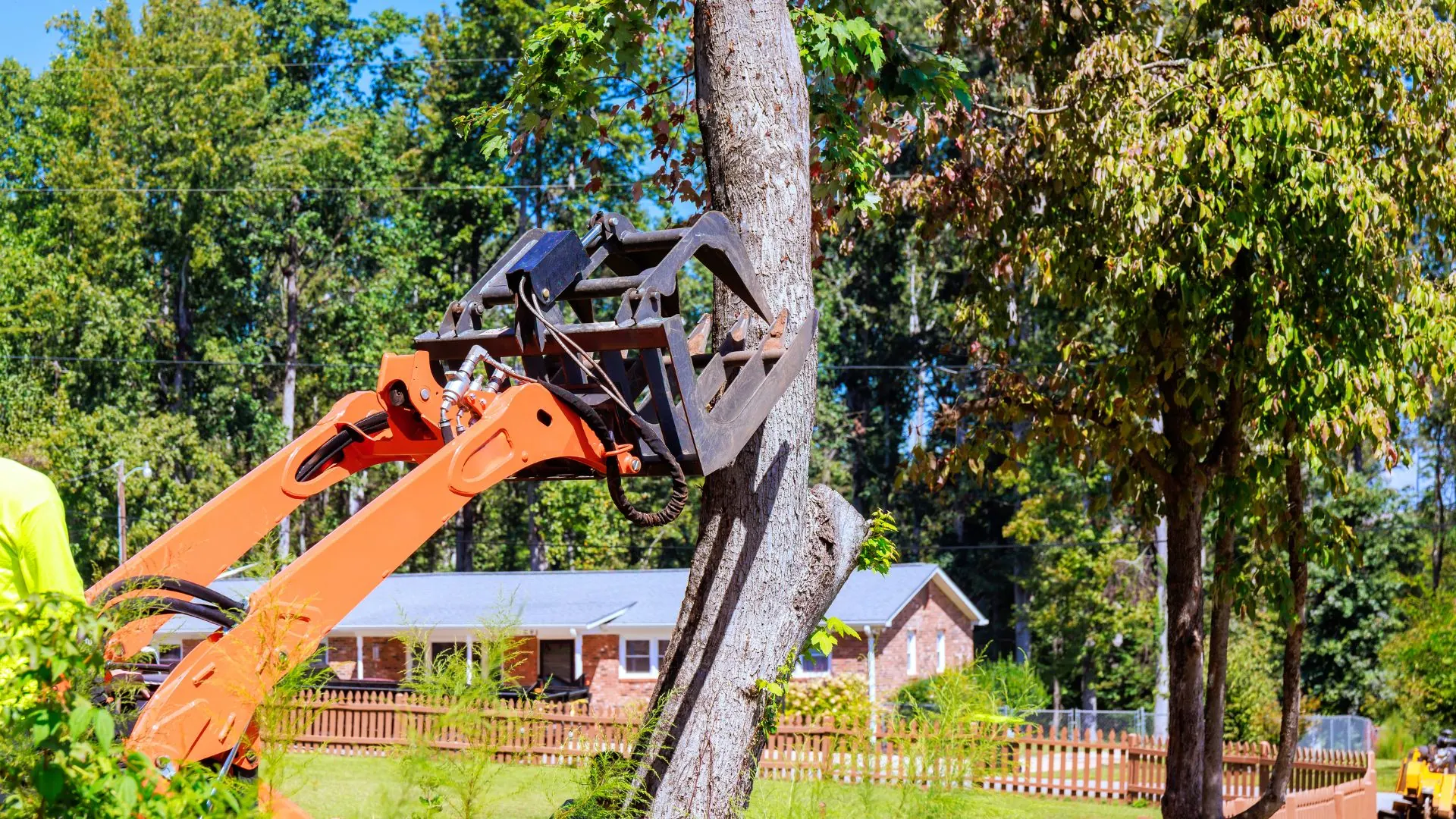
- Move the wood. Our grapple loader moves heavy logs without dragging them across the lawn.
- Chip and clean. Brush goes through the chipper, and we rake and blow before we leave.
That process is how we’ve brought down trees wedged between two houses without a hitch, and how we took down seven trees in a single day for one family, including two huge ones. In Grafton, we removed three big pines for less than another company had quoted. See more on our tree removal service.
Planned Removal vs. Emergency Removal
If there’s one reason not to put off a removal, it’s this: a planned job is almost always easier than an emergency one.
- A planned removal happens on a calm day, on your schedule. We can pick the best spot to set up, protect the lawn, and take the tree down piece by piece in the safest order.
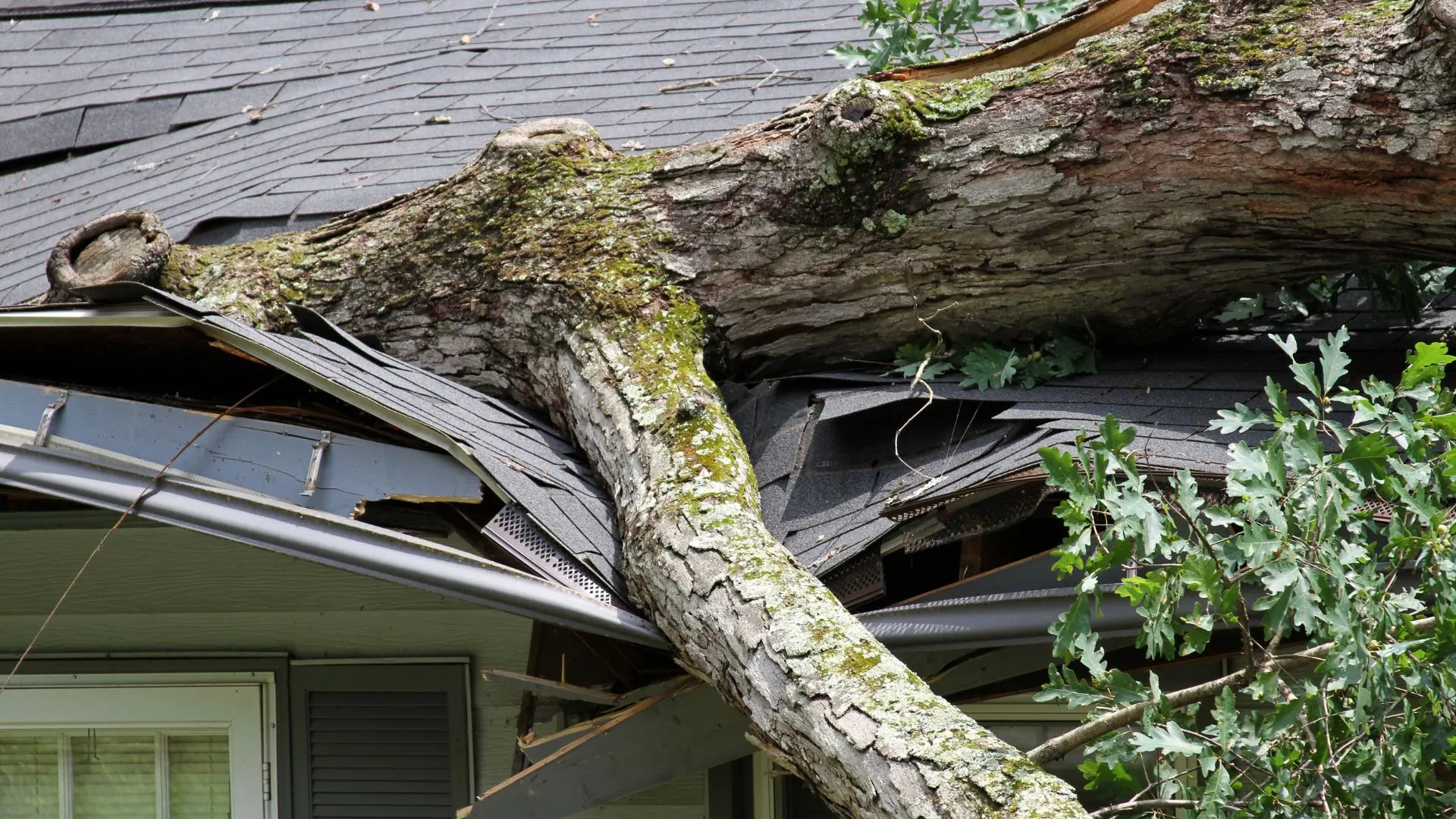
- An emergency removal happens after the tree has already failed, often at night or in bad weather. The tree may be on the roof, twisted, or tangled in wires. The work is slower and more dangerous, and there’s usually more damage to repair.
We’re open 24 hours for emergency tree service, and we’ve gotten plenty of trees off houses and cars. But every one of those calls is one we’d rather have handled a season earlier. If a tree is dead, cracked, or leaning toward your home, it’s worth dealing with before the next storm makes the decision for you.
Questions to Ask Before Anyone Cuts
Tree removal is dangerous work, and the wrong crew can turn a simple job into a disaster. Before you hire anyone, ask:
- Can I see proof of insurance? Liability and workers’ comp both matter. If an uninsured worker gets hurt on your property, you could be stuck with the bill. We’re happy to show ours.
- Is the quote in writing? It should spell out what’s included, like cleanup, wood, and stump work.
- How will you protect my house and yard? A good crew can explain its plan in plain words.
- Who will be doing the work? Ask whether there’s an ISA Certified Arborist involved.
Our checklist for hiring a tree service has more questions worth asking.
Permits, Terrace Trees, and Neighbors
- Trees on your own property usually don’t need a permit in most towns around here, but some villages have their own rules. Check with yours if you’re unsure.
- Terrace trees, the ones in the strip between the sidewalk and street, usually belong to your village or city. Call them before touching those.
- Trees on the property line are often shared. Talk to your neighbor first.
- Trees touching power lines need the utility involved. Call We Energies.
What Happens After the Tree Comes Down
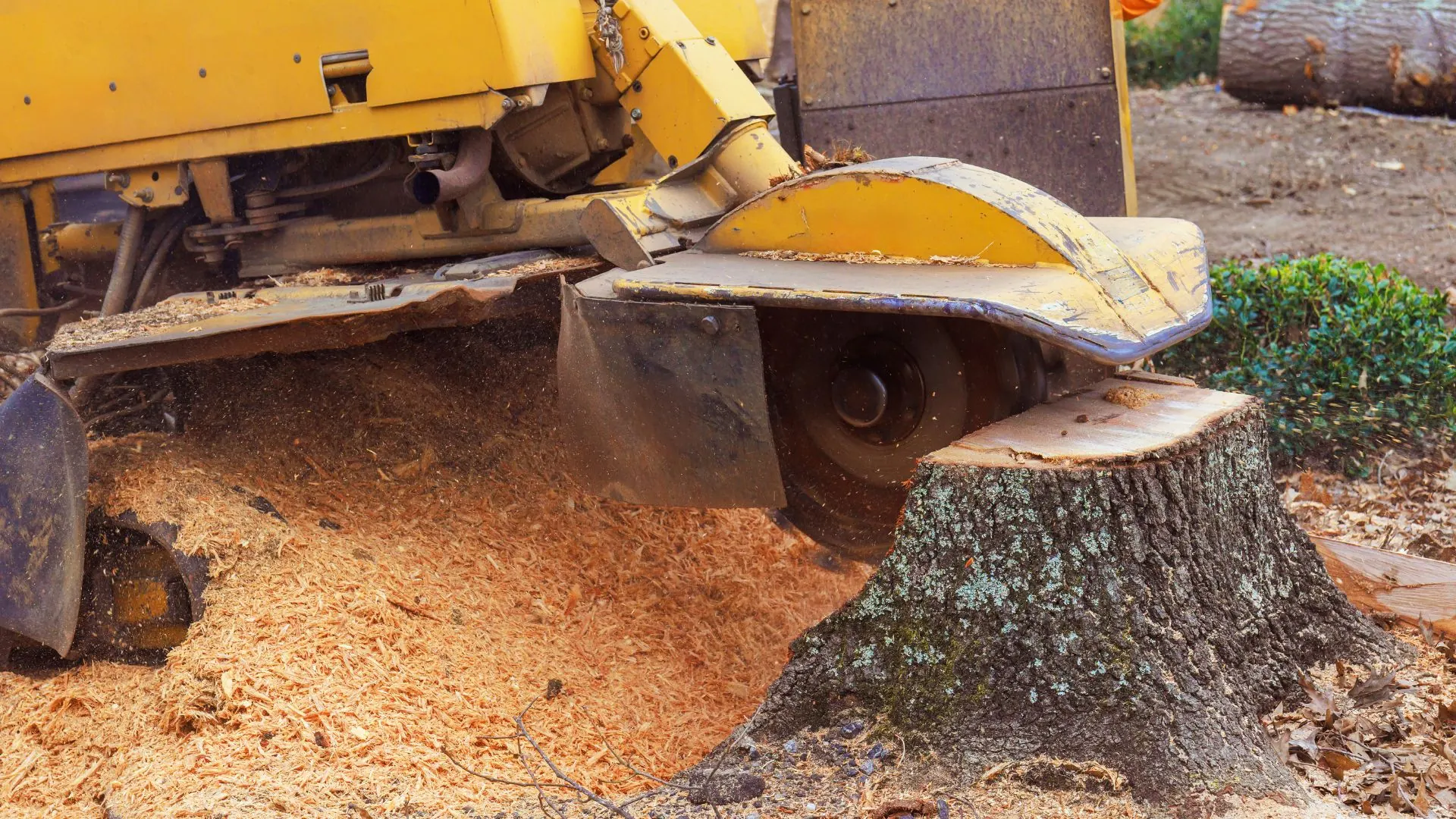
- The stump. You can leave it, grind it, or pull it out. Our post on stump grinding vs. removal compares the options, and stump grinding can be done the same day or later.
- The wood. We can leave firewood rounds, haul it away, or chip it. Chips often go out free through ChipDrop.
- The space. It’s a great time to plant something better suited to the spot.
Tip: If you’re removing an oak, try to do it between November and March, especially if other oaks stand nearby. Winter cuts don’t attract the beetles that spread oak wilt.
Get an Honest Answer Before You Decide
The hardest part of tree removal is knowing whether it’s truly time. If you’re on the fence, let us take a look. We’ll tell you what we see, what can be saved, and what can’t. Quotes are free, and there’s never any pressure to cut a tree that doesn’t need to go.