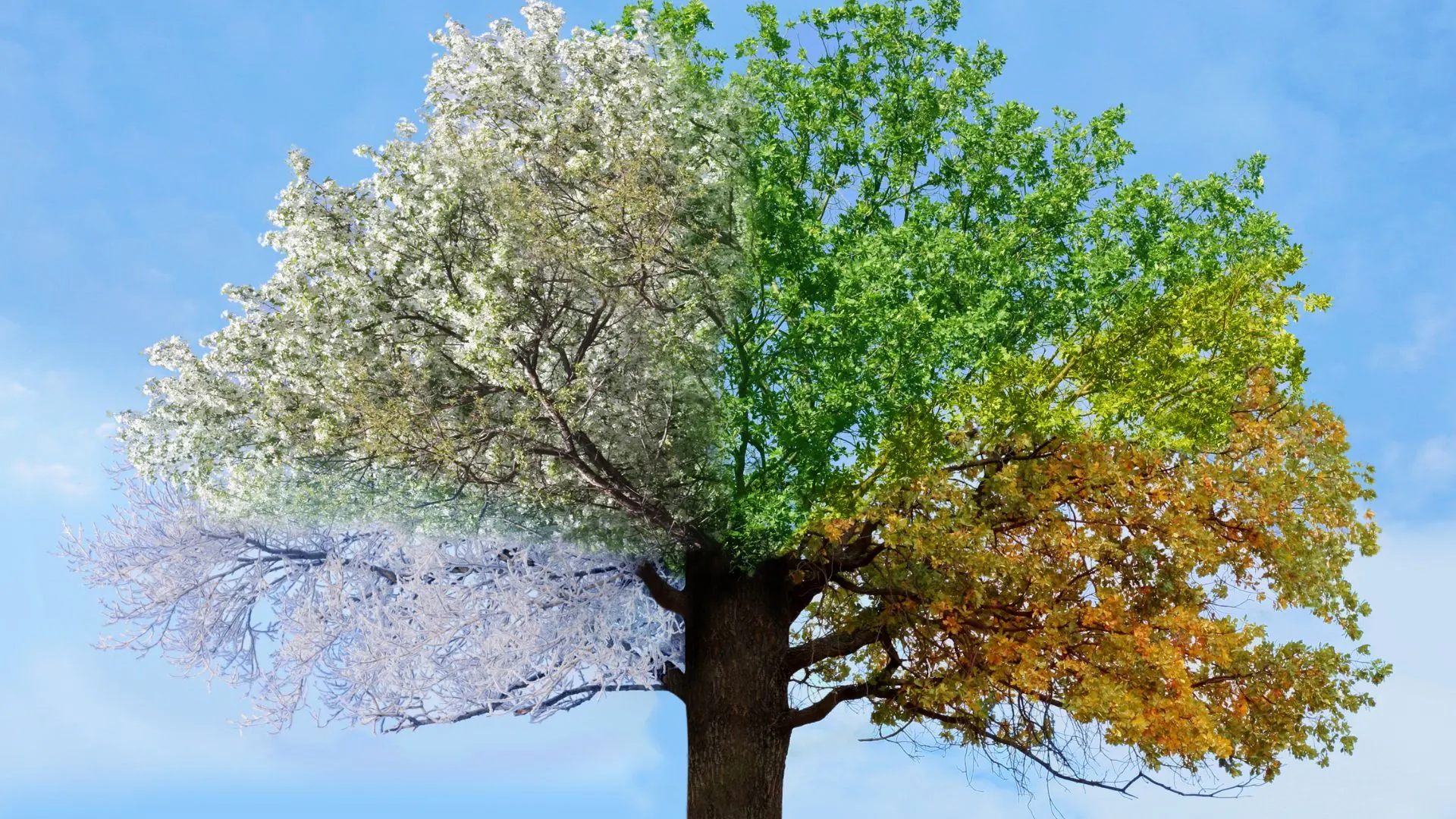
Most people love their trees for the shade, the fall color, or the privacy. But a healthy tree is also working hard in ways you can’t see. It’s cleaning the air, holding soil in place, soaking up rainwater, cooling your house, and feeding birds.
Here in southeast Wisconsin, those jobs matter a lot. Our bluffs, rivers, and Lake Michigan shoreline all depend on healthy trees. And a sick or dying tree does far less of that work than a strong one. Here’s what your trees give back, and how keeping them healthy keeps them giving.
Cleaner Air Around Your Home
Trees take in carbon dioxide and give off oxygen as they grow. They store much of that carbon in their wood, roots, and soil for as long as they live.
Leaves also catch dust, soot, and other particles from the air. Rain later washes them to the ground. Trees along busy roads like I-43 and Highway 33 help filter the air for the homes behind them.
The key thing to know is that bigger, healthier crowns do more of this work. A full, leafy mature tree does far more than a thin, struggling one or a newly planted sapling. That’s one of the best reasons to take care of the big trees you already have.
Healthy Roots Hold Wisconsin Soil in Place
A tree’s roots spread well beyond its branches. They bind soil together like rebar in concrete, and they keep it from washing or sliding away.
Protecting Bluffs, Riverbanks, and Slopes
This matters most on steep ground. Along the Lake Michigan bluffs near Port Washington and Harrington Beach, trees and shrubs help hold soil on slopes that wind and waves are always working on. Along the Milwaukee River in Grafton, West Bend, and Kewaskum, and along Cedar Creek in Cedarburg, tree roots help keep banks from caving in.
When a tree on a slope dies, its roots slowly rot, and that grip weakens. That’s why we often suggest leaving stumps on steep banks instead of pulling them out. It’s also why a failing tree on a bluff is worth a careful look before anything is cut.
Slowing Down Stormwater
Clay soil, which covers much of Ozaukee, Washington, and Sheboygan counties, doesn’t soak up water quickly. In a heavy rain, water runs off roofs, driveways, and lawns fast, carrying soil and lawn chemicals into ditches, streams, and eventually Lake Michigan.
Trees help in three ways:
- Leaves and branches catch rain before it hits the ground, and some of it evaporates.
- Roots open up channels in the soil so water can soak in.
- Trees drink water from the soil, which leaves more room for the next rain.
Food and Shelter for Wisconsin Wildlife
Healthy trees are home to birds, squirrels, bats, bees, and countless insects.
- Native oaks feed a huge number of caterpillars, which are a main food for baby songbirds.
- Basswood flowers are a favorite of bees in early summer.
- Serviceberry and crabapples give fruit to birds.
- Spruce, white pine, and arborvitae shelter birds from winter wind.
- Old trees with small cavities give nest spots to chickadees, woodpeckers, and owls.
Tip: When possible, save big pruning jobs for late fall and winter. Besides being the right time for most Wisconsin trees, it avoids disturbing birds nesting in spring and early summer.
Lower Heating and Cooling Bills
Trees are one of the few home upgrades that keep getting better with age.
- Shade on the south and west sides of your house keeps it cooler in July, so the air conditioner runs less.
- Evergreens on the north and west sides block cold winter wind.
- Windbreaks of spruce and pine, like the ones around farms near Belgium, Random Lake, and Plymouth, protect homes, barns, and fields from blowing snow.
Why a Sick Tree Gives Back Less
A tree that’s stressed, diseased, or dying can’t do these jobs well.
- Thin crowns make less shade and catch less rain.
- Dying roots hold less soil.
- Dead trees slowly release the carbon they stored as they rot.
- Replacing a big tree is slow. A new sapling needs decades to match a 60-year-old maple.
We saw this across our area when emerald ash borer, first found in Wisconsin in Ozaukee County in 2008, killed ash trees on nearly every street. Whole blocks lost their shade in just a few years. Our emerald ash borer guide explains what to do with any ash still standing.
Big, Old Trees Are Worth Saving
When it comes to the environment, not all trees are equal. A single mature oak or maple has far more leaves, roots, and stored carbon than a handful of young trees. It shelters more wildlife and casts more shade. That’s why saving a big tree, when it’s safe to do so, is often better than cutting it down and starting over.
You can see the value of an old canopy in places like Cedarburg’s historic neighborhoods, where big shade trees line the streets and cool whole blocks in summer. Many of those trees have lived through decades of storms because someone took care of them.
Saving a mature tree usually comes down to a few steps:
- Removing dead and broken limbs before they fall
- Reducing weight on long, heavy branches that could fail in wind or snow
- Adding support with cables and rods for a weak fork
- Protecting the roots from digging, paving, and heavy traffic
Of course, some trees can’t be saved, and a dead tree over your house has to come down. But when a big tree is healthy at heart, a little care can keep it working for another generation. We’ll always tell you honestly which kind of tree you have.
How Healthy Trees Help, at a Glance
| Benefit | What It Means for You | What Keeps It Working |
|---|---|---|
| Cleaner air | Less dust and soot reaching your home | A full, healthy crown |
| Soil protection | Stable slopes, banks, and bluffs | Living roots; careful work near slopes |
| Stormwater control | Less runoff and fewer soggy spots | Mulch and uncompacted soil |
| Wildlife habitat | More birds and pollinators in your yard | Native trees and a mix of species |
| Energy savings | Cooler summers, less winter wind | Trees placed on the right side of the house |
| Carbon storage | Carbon locked away for decades | Long-lived trees kept alive and strong |
Tree Care Habits That Help the Environment Most
Good care is the best way to keep your trees doing all this work.
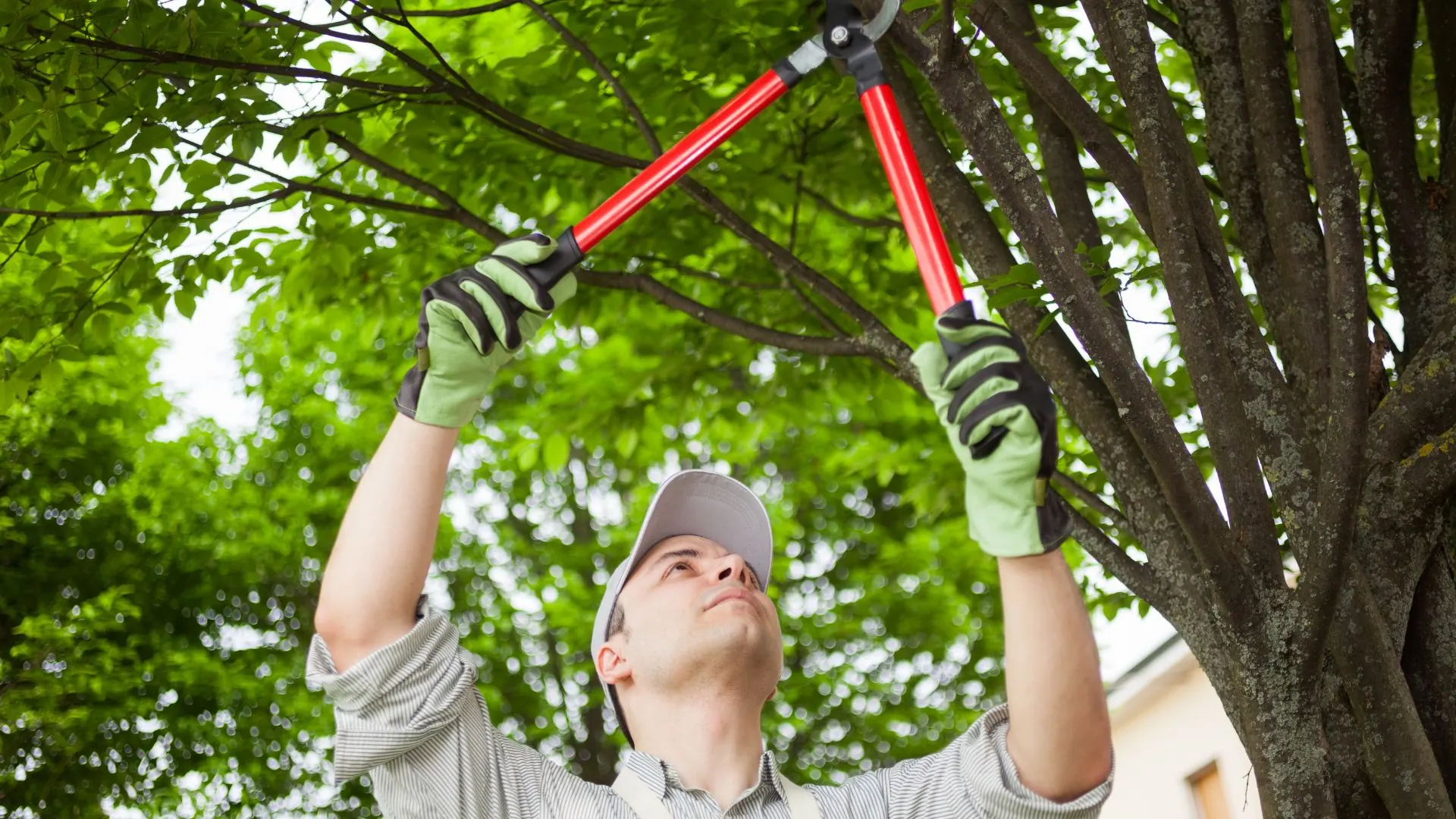
- Trim the right way. Removing dead and crossing limbs helps a tree stay healthy. Our tree trimming crew never tops trees.
- Mulch instead of mowing to the trunk. Mulch keeps soil soft and moist and protects the bark.
- Water during drought, especially young trees and evergreens.
- Protect roots during construction. Keep heavy equipment and piles of fill off the root zone.
- Support weak trees worth saving. Cabling and bracing can keep a big, healthy tree with a weak fork standing for years longer.
- Catch problems early. A tree health care visit can spot disease, pests, and root trouble before it’s too late.
- Plant a mix. Variety protects your yard from the next elm or ash disaster.
Nothing Goes to Waste After Tree Work
Even when a tree has to come down, it can still give back.
- Wood chips from our chipper make great mulch. We give them away free through ChipDrop.
- Firewood can stay on your property for your fireplace or fire pit.
- Keeping wood local helps stop pests like emerald ash borer from spreading. Don’t haul firewood long distances.
Planting the Next Generation of Trees
The best way to keep these benefits going is to plant new trees before old ones are gone. Choose native species that handle our clay and cold, and give them room to grow. Our guide to the best trees to plant in Wisconsin yards is a good place to start.
Help Your Trees Keep Doing Their Job
Every healthy tree in your yard is quietly making your home and neighborhood better. If you’d like a pro to check on the trees you have, point out problems, or trim them the right way, give us a call. We’re happy to come out, and the quote is free.